
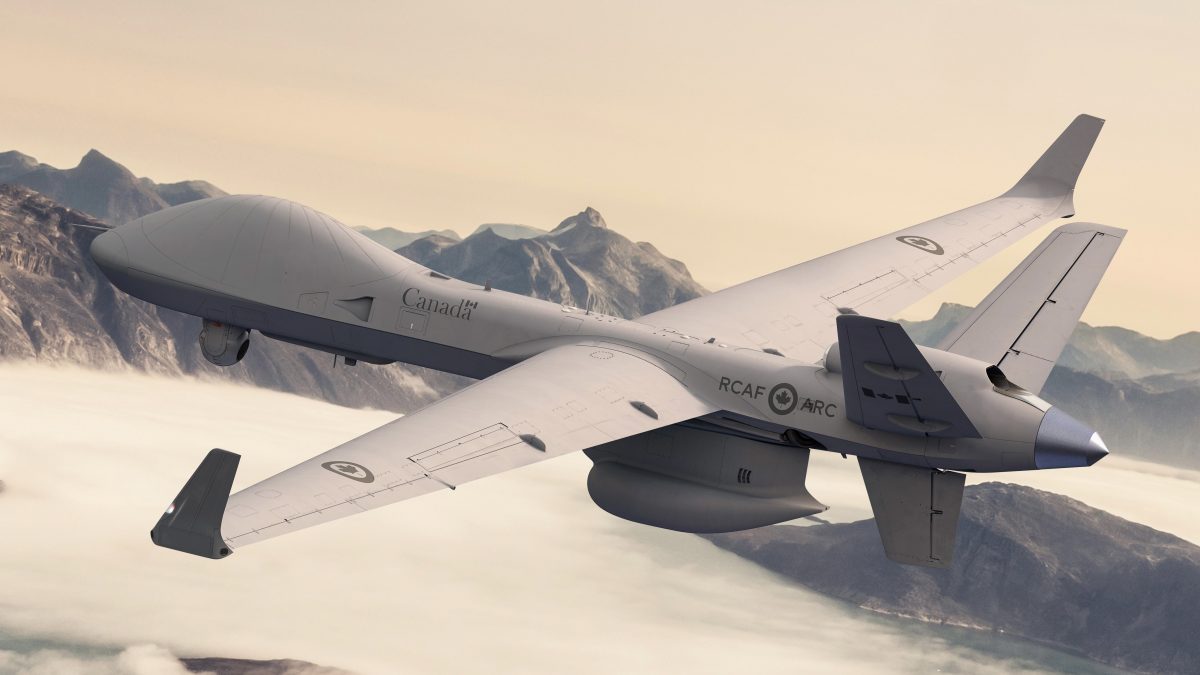

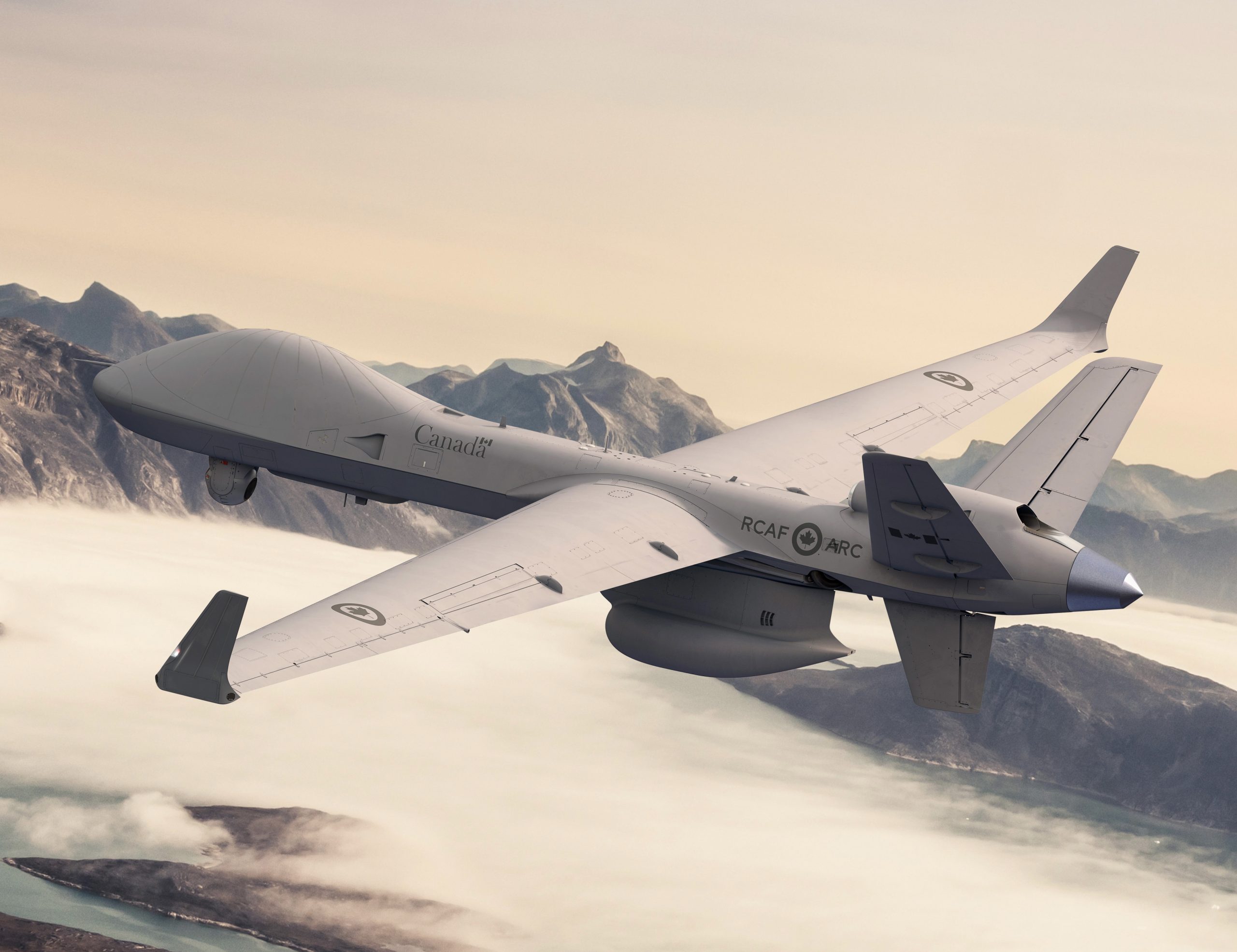
Canada’s defense strategy faces daunting demands imposed by the nation’s vast geography as an Arctic nation with three oceans, complex terrain, and extreme weather.
When it comes to how Canada tackles those challenges, prepare for everything to change.
The CQ-9B Guardian is more than just a defence acquisition program. It’s a bold step forward in conducting today’s air missions: a mixed-fleet approach that combines the strengths of crewed and uncrewed systems to radically increase the effectiveness of traditional crewed systems, reduce operational costs, and protect the lives of aircrews.
This transformation is spearheaded by Team SkyGuardian Canada: an innovative partnership effort between General Atomics Aeronautical Systems, Inc. (GA-ASI) and leading Canadian aerospace and defense companies CAE, MDA Space, and L3Harris WESCAM.
Team SkyGuardian delivers cutting-edge technology and fosters economic growth and innovation via MQ-9B SkyGuardian®, the world’s leading multi-mission remotely piloted aircraft system (RPAS), while bolstering Canada’s defence industrial base.
Canadian expertise is guiding every aspect of the program — from advanced sensors to high-fidelity training systems — ensuring that the RPAS fleet, including 11 aircraft and six ground control systems, is tailored to meet Canada’s unique defense needs.
For example, MDA Space in Richmond, British Columbia (B.C.), is leading the effort to construct Certified Ground Control Stations (CGCS) and crew mission stations that will serve as the command-and-control center for all CQ-9B operations.
The CQ-9B Guardian’s ability to operate in harsh weather and endure long periods on station, at longest range, while safely navigating civil airspace fills the capability gap of traditional crewed platforms like surveillance aircraft and fighter jets.
These core technical capabilities combined with the positive economic impact in Canada make the Guardian program a model for how the RCAF can achieve the mixed-fleet future in today’s challenging security environment.
Arctic Operations: A Perfect Fit for CQ-9B
Canada’s Arctic region presents unique challenges that demand specialized capabilities. With immense distances, extreme cold, and limited infrastructure, maintaining domain awareness in the Arctic is no small feat.
The CQ-9B Guardian is uniquely suited to meet these requirements, offering persistent surveillance, resilience in harsh conditions, and advanced sensor capabilities that ensure comprehensive situational awareness.
The platform’s resilient satellite communications (SATCOM) suite is a cornerstone of its Arctic capabilities. Leveraging Low Earth Orbit (LEO) satellites and Proliferated Low Earth Orbit (PLEO) constellations, the CQ-9B ensures reliable connectivity at high latitudes, a critical factor for operations in polar regions.
As PLEO constellations continue to expand, the CQ-9B’s ability to provide global access will only grow, solidifying its role as a cornerstone of Canada’s Arctic strategy and its responsibilities abroad.
Cold weather performance is likewise foundational to the aircraft’s suitability in the High North. CQ-9B has undergone extensive testing and validation for cold weather conditions. It is equipped with an electro-expulsive de-icing system and an anti-icing heated engine inlet, which ensures the aircraft maintains peak performance despite freezing temperatures.
These features enable the CQ-9B to operate at high altitudes and in icy conditions, ensuring reliable performance in the Arctic’s unforgiving environment and during the country’s winter reality from coast to coast to coast.
In addition to its resilience, the CQ-9B delivers unmatched endurance. With the ability to remain on station for extended periods, it provides 24/7 surveillance across vast areas, detecting air, ground, and maritime assets. The CQ-9B’s advanced sensors and real-time data processing capabilities ensure that Canada can maintain Arctic domain awareness and secure its sovereignty without risking human lives.
The Next Chapter
The CQ-9B Guardian program is more than just a procurement effort — it’s a pivot for Canada’s defense future.
By delivering cutting-edge technology, fostering collaboration, and investing in advanced capabilities, Team SkyGuardian Canada is positioning the nation to lead globally in remotely piloted systems innovation, with impressive momentum. The inherent flexibility of the CQ-9B system itself offers many opportunities for innovation in this area.

As Canada seeks to tackle its future Airborne Early Warning & Control (AEW&C) requirement, GA-ASI and Saab have teamed up to develop an AEW&C mission package for remotely piloted aircraft.
The AEW&C package is a long-awaited transformative approach to the air domain control mission. Covering Canada’s vast airspace has aways been a challenge, and when NORAD obligations and Arctic security missions are added to the mix, it becomes resource prohibitive to meet all demands with traditional crewed air assets.
The mixed-fleet approach leveraging the CQ-9B with AEW&C capabilities is the solution.
Airborne Launched Effects (ALEs) like the Precision Exportable Launched Effect (PELE) system offer another avenue for leveraging Canada’s investment in CQ-9B to advance a mixed-fleet vision.
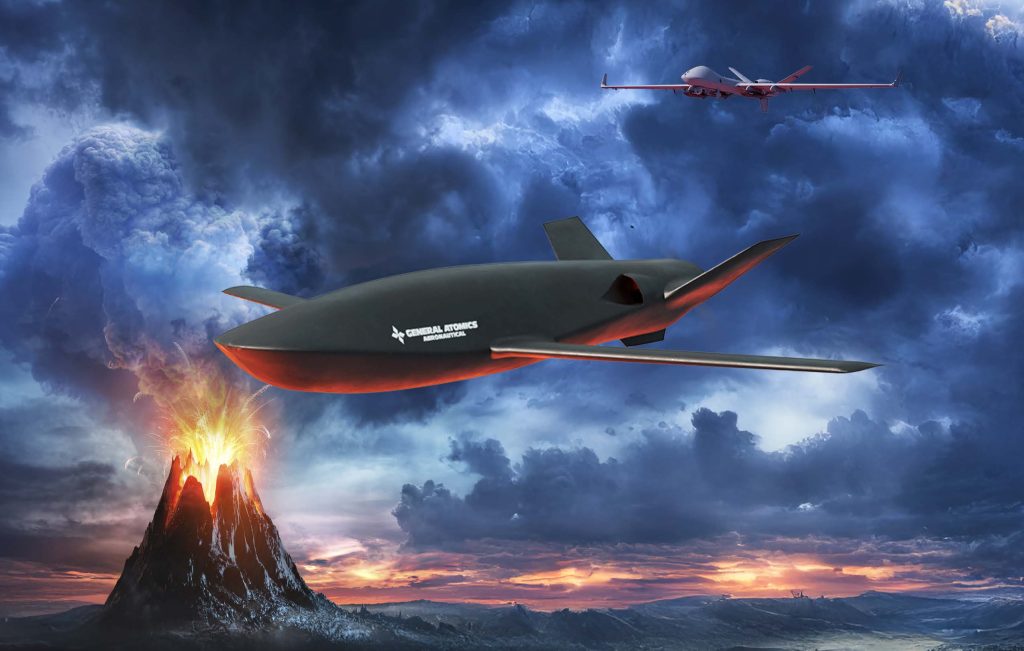
ALEs significantly enhance the reach and effectiveness of the CQ-9B family of systems by extending their operational capabilities into contested or high-risk environments. With a range of 500 nautical miles and endurance of up to seven hours, PELE can penetrate disputed zones to assess hostile forces, detect anti-air systems, and geo-locate threats, enabling the CQ-9B to operate safely and strategically from international waters or other secure areas.
GA-ASI can also integrate ALEs from third-party companies, something it demonstrated with the successful deployment of AeroVironment’s Switchblade® 600 loitering munition in a test earlier this year.
ALEs like PELE and Switchblade 600 represent a growing body of work that validates the approach of using larger uncrewed aerial systems as motherships for launching additional effects, whether they be munitions, electronic warfare systems, or additional surveillance payloads for high-risk missions.
Looking further ahead, advancements in Autonomous Collaborative Platforms (ACP), or specifically Collaborative Combat Aircraft (CCA) technologies, are poised to revolutionise Canada’s defence operations.
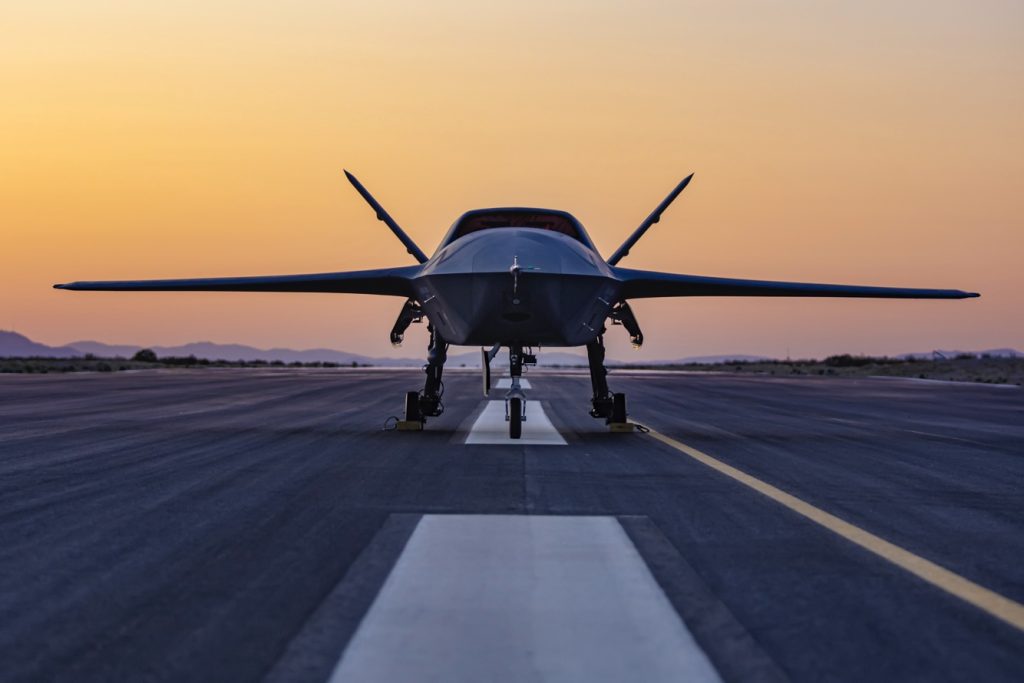
GA-ASI is developing the first CCA under contract for the U.S. Air Force’s program, which aims to deliver “affordable mass.” By fielding large numbers of uncrewed wingmen that team with 5th-generation aircraft and future tactical aircraft, these CCAs will expand sensing, weapons capacity, and survivability in contested airspace.
And that future is coming faster than some might presume. In August, GA-ASI and the U.S. Air Force announced that they had begun YFQ-42A flight operations, underscoring how quickly this capability is becoming a reality.
With the CQ-9B program well underway, Canada’s mixed-fleet future is here. By combining cutting-edge technology with advanced Arctic capabilities, GA-ASI and its Canadian partners are delivering more than aircraft — they’re delivering a vision for the future, built on strong Defence Industry Foundations.
