
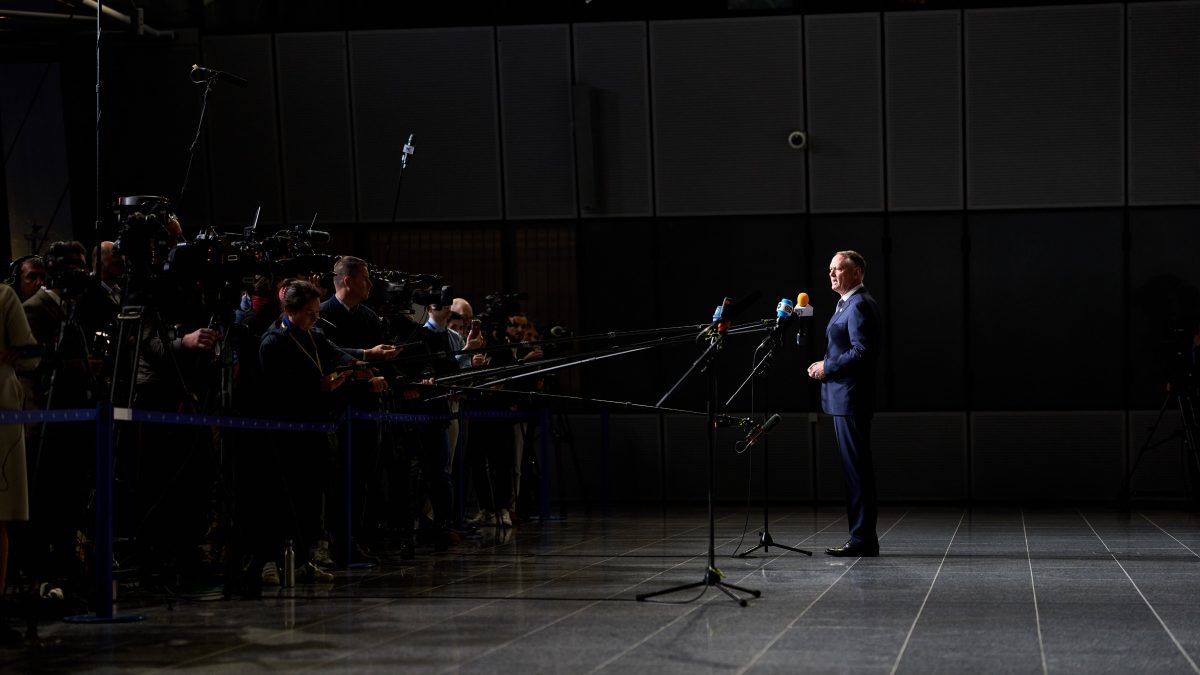

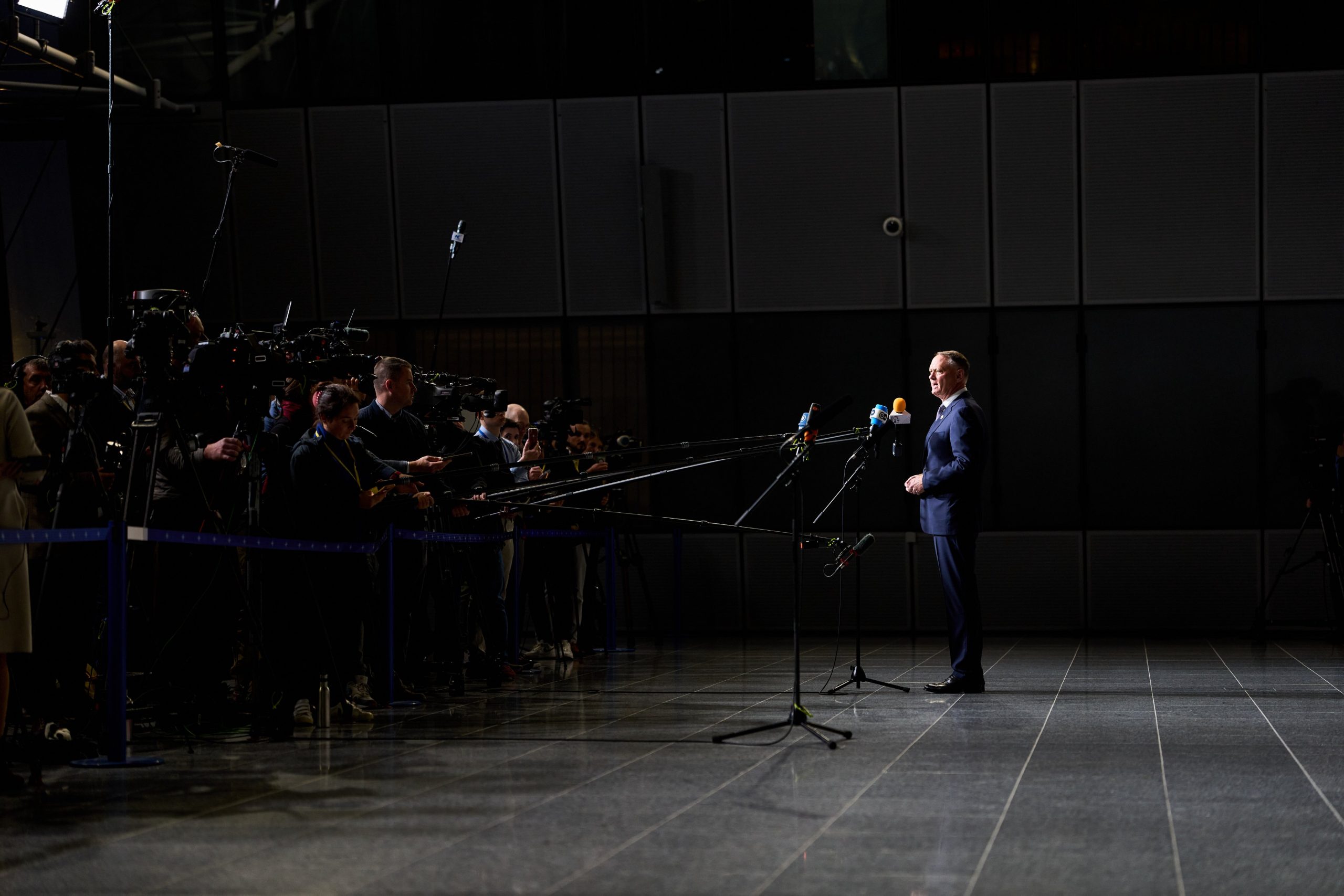
Brussels, Belgium – October 16, 2025 – Canada’s commitment to NATO and Ukraine’s defence took centre stage this week as the Honourable David McGuinty, Minister of National Defence, joined allied leaders at the NATO Defence Ministers’ Meeting (DMM) and the Ukraine Defence Contact Group (UDCG) in Brussels.
Earlier this year, Prime Minister Mark Carney set a new benchmark for Canada’s defence posture—pledging to accelerate the nation’s path to meeting NATO’s 2% spending target by March 31, 2026. The move represents more than $9 billion in new investments to rebuild, rearm, and reinvest in the Canadian Armed Forces (CAF), positioning Canada as a more agile and capable partner within the Alliance.
“Canada stands firmly with Ukraine and our NATO Allies in the face of Russia’s illegal war. Our work this week highlights the strength of Allied collaboration and our shared commitment to collective defence. Through coordinated efforts, Canada is delivering the training, equipment, and long-term support Ukraine needs while helping ensure NATO remains agile, united, and ready to respond to the rapidly evolving security challenges of today and tomorrow,” stated the Honourable David McGuinty, Minister of National Defence.
Expanding Support for Ukraine’s Defence
At the UDCG, Minister McGuinty reaffirmed Canada’s unwavering support for Ukraine’s sovereignty and announced new contributions to strengthen Ukraine’s defence capabilities, including:
- An additional $12 million to the Drone Capability Coalition’s Common Fund to enhance Ukraine’s unmanned aerial systems;
- $30 million in winter gear, with shipments already in progress to keep Ukrainian troops equipped through the harsh months ahead;
- Donations of surplus CAF equipment, including AIM-7 missile components, LAU-7A rocket launchers, and M113 vehicles and parts.
Minister McGuinty also provided updates on earlier aid packages—confirming that 20 of 50 Armoured Combat Support Vehicles have already been delivered, with the remainder arriving before year-end. Canada has also supplied high-resolution MX15 camera components, enhancing helicopter-mounted surveillance and counter-drone systems across Ukraine’s frontlines.
Canada’s Leadership in Capability Coalitions
At the 31st meeting of the UDCG, McGuinty highlighted Canada’s growing role within several Capability Coalitions, collaborative initiatives that align NATO nations around emerging defence domains. These include drone technology, cybersecurity, and fighter lead-in training—areas that will define the future of allied readiness and interoperability.
He also reaffirmed Canada’s June 2025 commitment of an additional $2 billion in military assistance to address Ukraine’s evolving defence priorities and sustain long-term resilience.
Deepening NATO Integration and Intelligence Cooperation
During the NATO Defence Ministers’ Meeting, Minister McGuinty underscored Canada’s determination to accelerate defence spending, reinforce Arctic security, and strengthen collective deterrence against increasing air and maritime incursions along NATO’s eastern flank.
In a significant step toward deepened integration, McGuinty announced new funding for the Canadian Security Intelligence Service (CSIS) to expand its direct support to NATO intelligence operations. This investment will enhance intelligence sharing, improve interoperability, and cement CSIS as a key contributor within NATO’s intelligence framework.
Modernizing Training and Allied Capabilities
To further align with NATO’s modernization agenda, Canada signed two major agreements during the Brussels meetings.
Minister McGuinty signed a Memorandum of Understanding for Canada to join NATO’s Distributed Synthetic Training Initiative, enhancing simulation-based training and readiness across Allied forces. He also signed a Letter of Intent supporting the creation of the NATO Indirect Fires Centre of Excellence in Bratislava, Slovakia—a hub designed to advance artillery, fire support, and multi-domain coordination among NATO members.
A Renewed Era of Allied Commitment
Canada’s actions in Brussels mark another milestone in a period of renewal for the nation’s defence posture—defined by modernization, alliance building, and unwavering support for Ukraine. With accelerated investment, expanded intelligence cooperation, and next-generation training initiatives, Canada is reaffirming its place as a trusted and capable NATO Ally—ready to meet today’s challenges and tomorrow’s uncertainties.
