

Canada and South Korea are positioning the federal Invest in Canada initiative as a central platform for deepening bilateral industrial cooperation—one designed not only to attract capital, but to anchor long-term, industry-led partnerships across manufacturing, supply chains, and strategic investment.
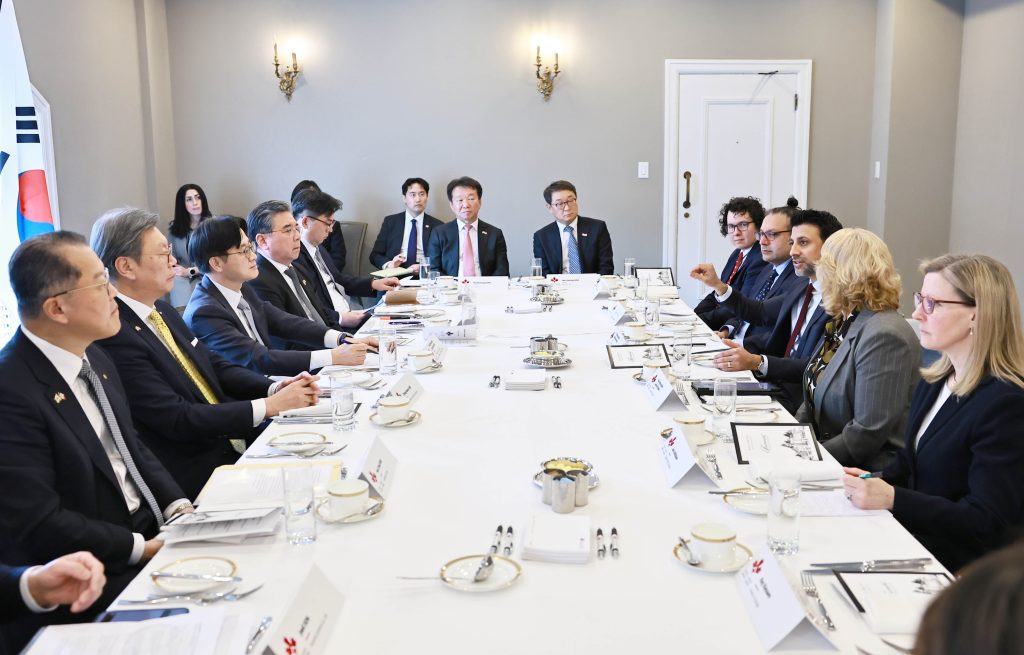
Senior government officials and business leaders from both countries gathered in Ottawa on January 27 to align around that shared objective, reinforcing a growing consensus that Canada–Korea economic relations are entering a more strategic, long-horizon phase.
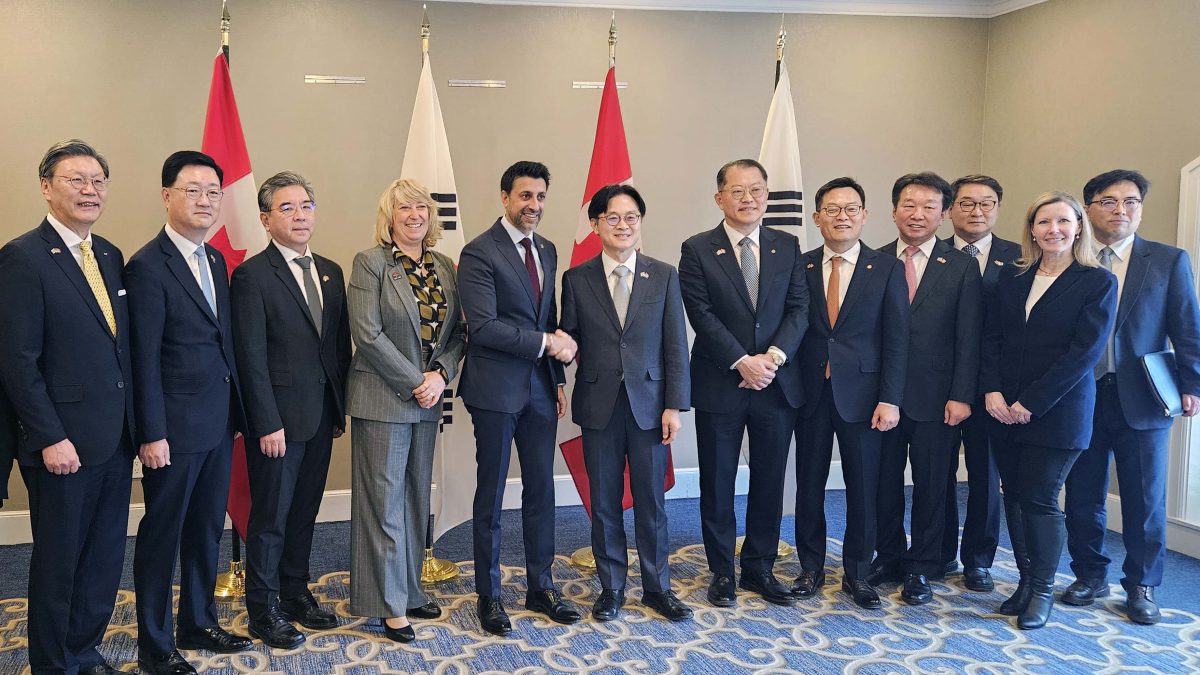
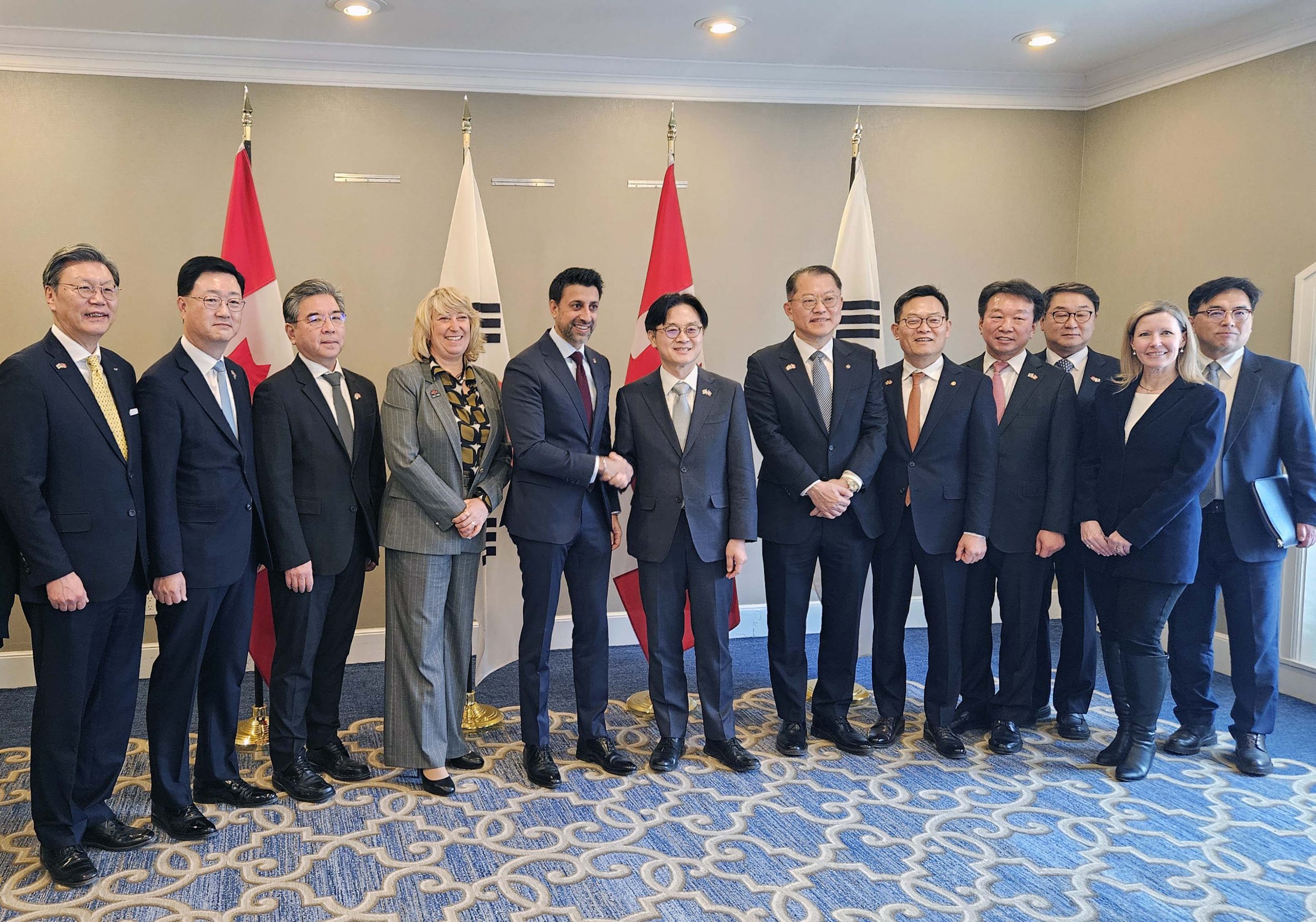
Hosted by Invest in Canada, the meeting brought together Korea’s Minister of Trade, Industry and Resources Kim Jung-kwan; Canada’s Minister of Export Promotion, International Trade and Economic Development Maninder Sidhu; Chang-beom Kim, Vice-Chairman and CEO of the Federation of Korean Industries (FKI); and Invest in Canada CEO Laurel Broten.
They were joined by a high-level Korean business delegation representing some of the country’s most influential industrial groups, including Jae Hoon Chang, Vice Chair of Hyundai Motor Group; Hee Cheul Kim, CEO of Hanwha Ocean; Jaeil Son, President and CEO of Hanwha Systems; Mookyung Jung, President of Korea Zinc; and Bon-Seung Goo, President and CEO of KTE.
From forums to frameworks
The Ottawa discussions followed Korea–Canada industry forums held a day earlier in Toronto, Canada’s economic and industrial hub. Those forums highlighted the need to strengthen strategic industrial cooperation at a time of global supply-chain restructuring, technological disruption, and growing economic uncertainty.
During the Toronto engagements, Korean and Canadian stakeholders announced six memoranda of understanding spanning manufacturing, advanced technologies, energy, and industrial cooperation—providing tangible momentum for the subsequent Ottawa talks.
Taken together, the back-to-back Toronto and Ottawa engagements signalled more than interest in discrete projects. They reflected a deliberate effort to move toward broader trade and policy frameworks, supported by ministerial-level participation, that can enable sustained, multi-sector collaboration.
Beyond transactional trade
Participants in Ottawa exchanged views on expanding cooperation across advanced manufacturing, mobility, clean energy, and defence-related industries. A consistent theme was the desire to move beyond transactional trade toward long-term partnerships that support local production, technology collaboration, and more resilient supply chains in both countries.
Large-scale, long-term programs were highlighted as potential anchors for that approach. In particular, participants noted that Canada’s ongoing submarine modernization efforts under the Canadian Patrol Submarine Project (CPSP) can serve as a catalyst for broader Korean investment in Canada—extending well beyond defence into areas such as steel, energy, advanced manufacturing, digital systems, and long-term sustainment activities.
The message was clear: major national programs can become platforms for industrial ecosystems, drawing in suppliers, technology partners, and workforce development initiatives across multiple sectors.
Canada’s investment proposition
Canadian officials underscored Canada’s attractiveness as an investment destination, pointing to the country’s skilled workforce, access to critical minerals, and commitment to industrial growth. Invest in Canada emphasized its role in facilitating strategic investments that create high-quality jobs and reinforce Canada’s position in global value chains.
Korean government and industry representatives reaffirmed Korea’s interest in acting as a long-term, trusted industrial partner for Canada. Building on themes raised at the Toronto automotive and CEO forums, they emphasized cooperation in future-oriented sectors such as electric and hydrogen mobility, artificial intelligence, clean energy, and advanced industrial systems, alongside defence and maritime industries.
The meeting also provided an opportunity for Korean companies to outline their existing engagement in Canada and explore avenues for expanding collaboration through joint projects, localized production, and deeper supply-chain integration.
Participants noted that closer industrial cooperation could help both countries better navigate global market shifts while strengthening economic security and competitiveness.
A shared foundation
Both sides shared the view that Canada and Korea’s complementary industrial strengths and shared strategic interests provide a strong foundation for expanded cooperation under the Invest in Canada initiative.
Rather than focusing solely on individual deals, the emphasis is increasingly on building durable industrial relationships—ones capable of supporting long-term investment, innovation, and economic resilience in an uncertain global environment.
