

Three CAF officers on closing the gap between prototype and fielded capability.

C4ISR sits at the heart of how modern militaries fight. It is what allows commanders to see the battlefield, share information, and act faster than the adversary. Canada has been investing in it for years, and with defence budgets now growing, the pressure to turn that investment into real operational advantage has never been greater. But money and intent do not automatically produce capability. The harder question is how the CAF actually gets there.
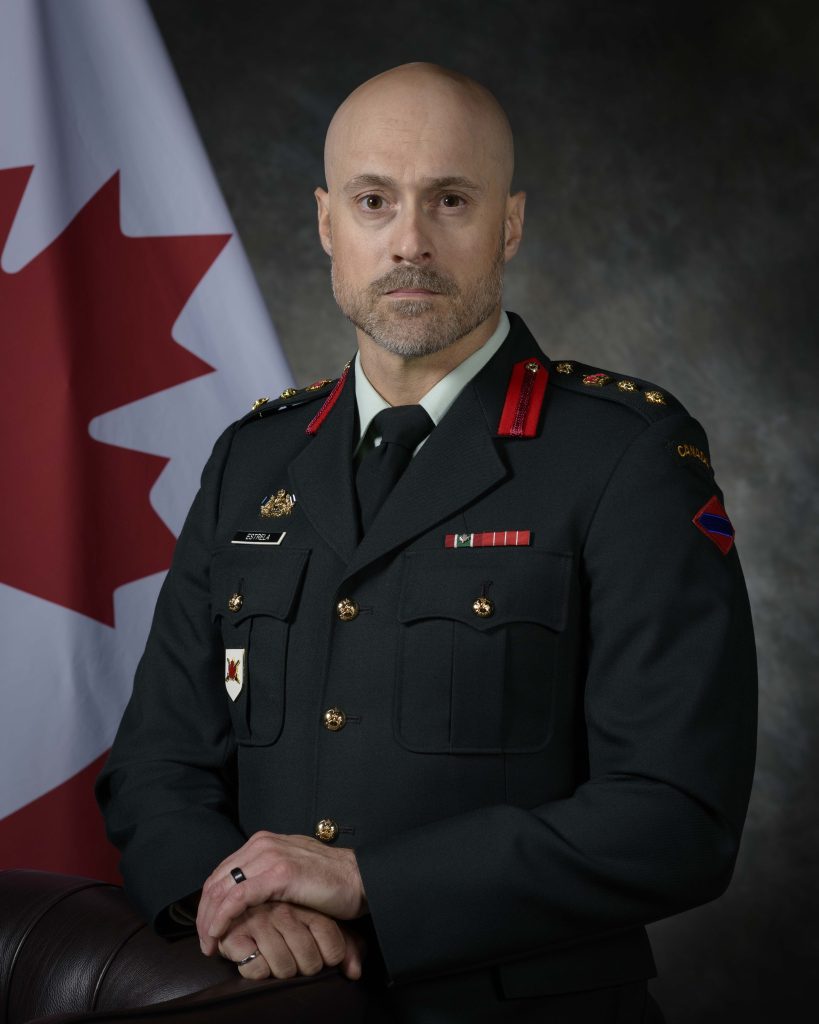
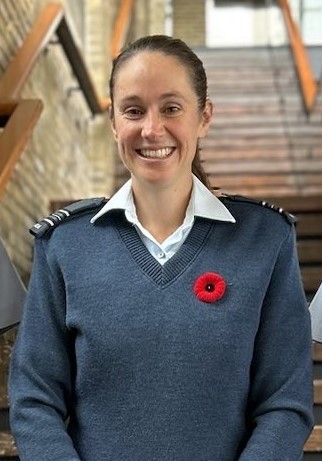
That question was put to three officers who live with it every day at the 12th Annual C4ISR and Beyond Conference in Ottawa this past January. Not the senior leaders setting the vision. Not the companies selling the solutions. The Bottom Up Panel put the microphone in front of the people closest to the work: Colonel Jason (Jay) Estrela, Director of Digital and Army Combat Systems Integration; Lieutenant-Colonel Amanda Whalen, Director of the RCAF Digital Hub; and Lieutenant-Colonel Nicolas Verreault, Head of the Joint UxS Office, Chief of Combat Systems Integration. Moderated by Colonel Derek Lay, Commanding Officer of the Canadian Joint Warfare Centre, the panel covered what is working, what isn’t, and what the gap between prototype and fielded capability actually looks like from where they sit.
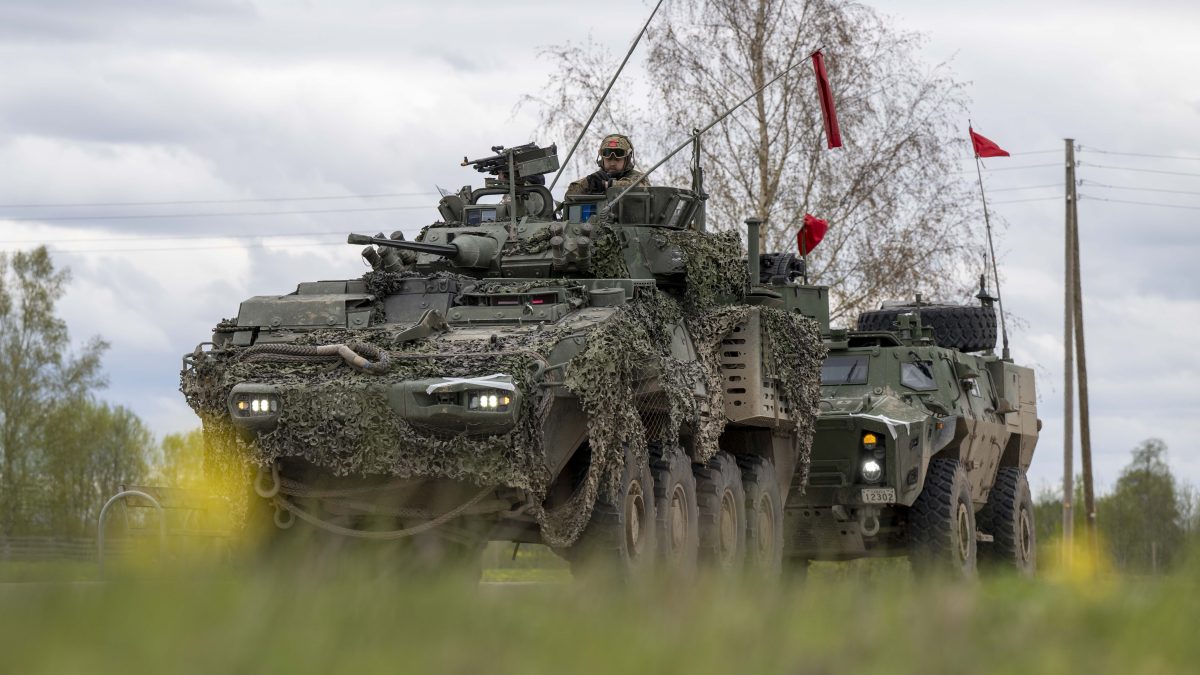
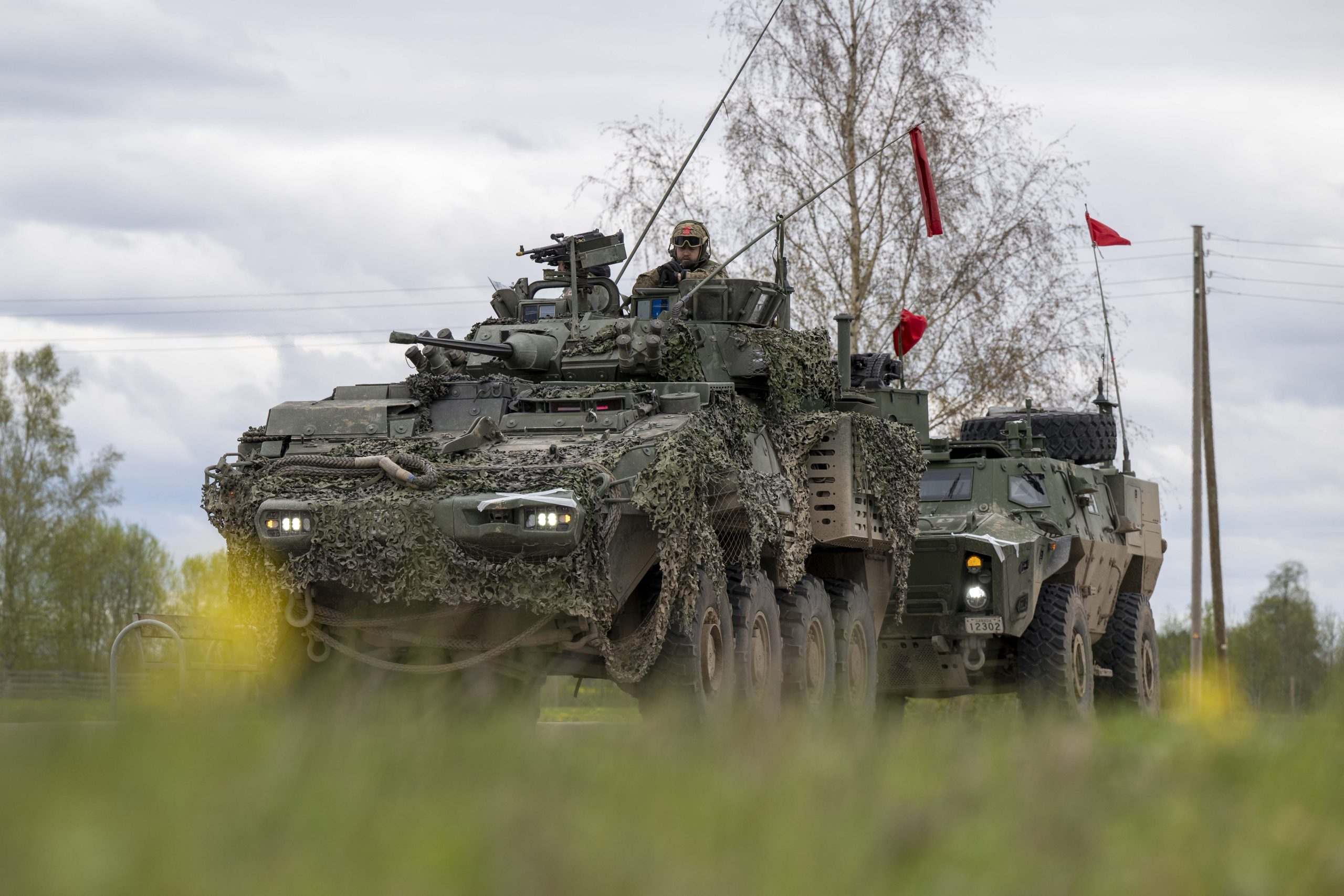
An industry partner at a Canadian Army exercise developed a prototype antenna system in response to a challenge impeding the rapid deployment of dispersed command post communication systems. The engineers produced an innovative antenna solution extending cleanly off the side of the armoured vehicle.
It demonstrated promising results in the lab and in a controlled environment but had not yet been tested in field conditions. A troop warrant officer with fifteen years of field experience walked over, examined it, and quickly identified a key design flaw: the inability to adjust the alignment of the vehicle-mounted antenna on uneven terrain.
The observation highlighted a gap between assumptions made by civilian engineers and the realities of military environments. The company went back, added a gimbal, and fixed it. The entire exchange took minutes but yielded significant gains in developing a product that meets soldiers’ needs.
Had it gone the other way, the CAF might have procured antennas that fail under real conditions, or the company could have spent considerable resources developing a product that did not meet the CA’s requirements. Colonel Jay Estrela shared that story to make a point about feedback loops—fast ones. The kind where the person who will actually use the equipment can speak directly to the engineer before the procurement cycle locks anything in.
What the Air Force built
Whalen’s origin story is worth telling. Six years ago she was a dispatch officer at 8 Wing Trenton, running air mobility logistics on a legacy Access database. Missions changed constantly. Air crew went out the door carrying stacks of paper, sometimes a hu ndred pages, that were obsolete before the aircraft left the ramp.
She partnered with an innovation team, brought in four University of Waterloo co-ops, and they built something in three weeks. It was rough. The lead developer told her that was the point: they built it fast, she told them everything wrong with it, and two days later they fixed it. That’s agile software development. That was her introduction to it.
Today she runs a team with three portfolios: a software factory, a data platform, and information management. The software factory pushes code twice a day. The data platform runs the RCAF’s dashboards and is beginning to incorporate AI for decision support. The team shares data with CJOC and other parts of the organization that need it.
What makes it work: top cover from RCAF leadership, a safe space to experiment, and the freedom to learn from failure. What she wants to expand: breaking down silos and building governance structures that support agile delivery alongside more traditional programs.
The Army’s orchestration challenge
Estrela’s challenge is running digital transformation across an institution with multiple brigades, each working hard on their own priorities and their own solutions to shared problems. The risk is duplication. Two formations solving the same problem independently can end up with two incompatible systems.
He runs three products: the Army App for institutional use cases, CloudTAK as the Army’s futures network for operational experimentation and prototype development, and a data team keeping everything synchronized.
His proposed solution is orchestrated innovation: rather than having every formation pursue its own digital priorities independently, assign specific capability domains to specific units. They develop focused expertise, share what works, and the Army builds toward coherent and interoperable outputs. It’s an approach still taking shape, but the underlying principle is sound.
Ukraine as a reference point
Verreault brought the most pointed external reference to the panel. He recently traveled to Kyiv and spent time with Ukrainian soldiers and industry partners to understand what a high-intensity operational environment actually demands.
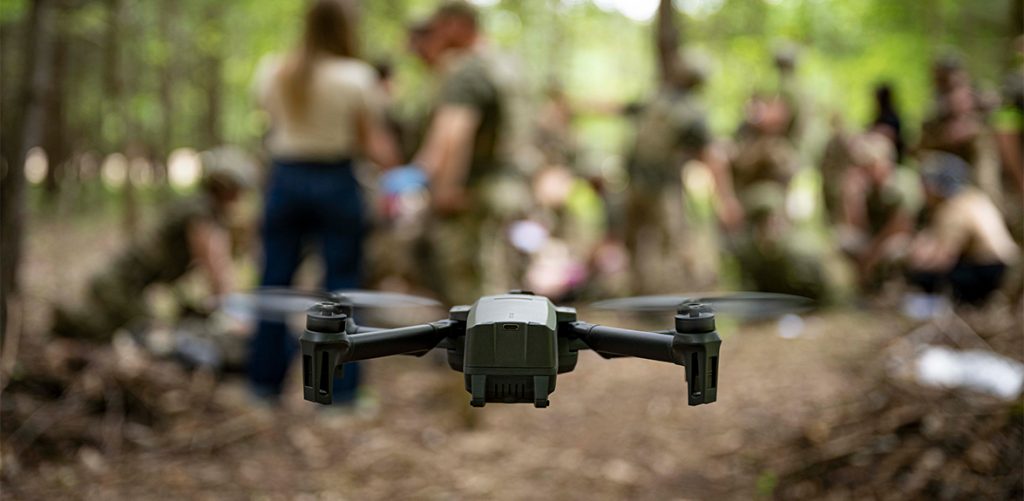
Ukraine produced three million drones last year. The front line runs 1,400 kilometres, served by small drone teams of five or six people, each supported by an engineer and technician one position behind the line who can design, repair, and modify systems in real time. Ukrainian drone teams hit roughly 30 percent of their targets. Weather, electronic warfare, and training account for the rest, and teams adapt constantly.
Verreault is not suggesting Canada replicate a wartime model. He is drawing out the principle: put industry partners in close proximity to end users during real exercises, give them the ability to iterate rapidly, and build interoperability standards that allow components to be swapped without replacing entire systems. The Modular Open System Approach, which the US Army has adopted, treats a platform like Lego: standardize the interfaces, innovate the components.
His immediate mandate is counter-uncrewed systems. The government committed to addressing the drone threat in 2025 and Verreault’s office is at the centre of the CAF’s response.
Closing the gap
All three officers converged on the same structural opportunity: building a stronger bridge between a successful proof of concept and a fielded capability. In defence development terms, that’s the stretch between Technology Readiness Level 6, where a prototype has been demonstrated in a simulated environment, and TRL 9, where the technology has been proven through actual deployment in an operational setting. It’s the gap that defence organizations everywhere are working to shorten.
Verreault described what that bridge could look like: a rapid capability development unit with flexible procurement authority that can take a proven solution, field it, and simultaneously develop the tactics, techniques, and procedures to use it effectively.
Estrela framed the investment logic in terms of risk tolerance. A procurement approach that tries to get everything right on the first attempt risks a $50 million loss the institution just has to live with. An MVP approach accepts a $10 million loss to fin d the right direction, then builds toward a $100 million win. It requires someone to accept that risk explicitly and make the case for it, and that’s a leadership question as much as a process one.
Whalen put the cultural dimension plainly. Show the operator a working product that makes their job better today, and you get real buy-in. Demonstrated value is what drives culture, and culture is what sustains the work.
Near the end of the session, the panel was asked what advice they’d offer anyone building a new defence innovation hub from scratch.
Whalen’s answer: culture before structure. Top cover and psychological safety to experiment. That’s the condition that makes everything else possible.
Estrela’s answer: the hub’s highest-value role is the infrastructure work that enables innovation across the force. Documentation, frameworks, planning support for units running generation exercises. Not the most visible work, but the most enabling.
Verreault kept it simple. Pick the team carefully, give them clear boundaries on risk acceptance, and let them work. Not every project will succeed. That’s the cost of moving at the speed the environment demands, and it’s worth it.
The antenna story is a useful summary of where the CAF is headed. Not a procurement system that buys at scale before anyone field-tests the design. A system where the warrant officer with fifteen years of experience gets to talk to the engineer before the contract is signed. The tools exist. The people exist. And judging by this panel, so does the momentum.
