
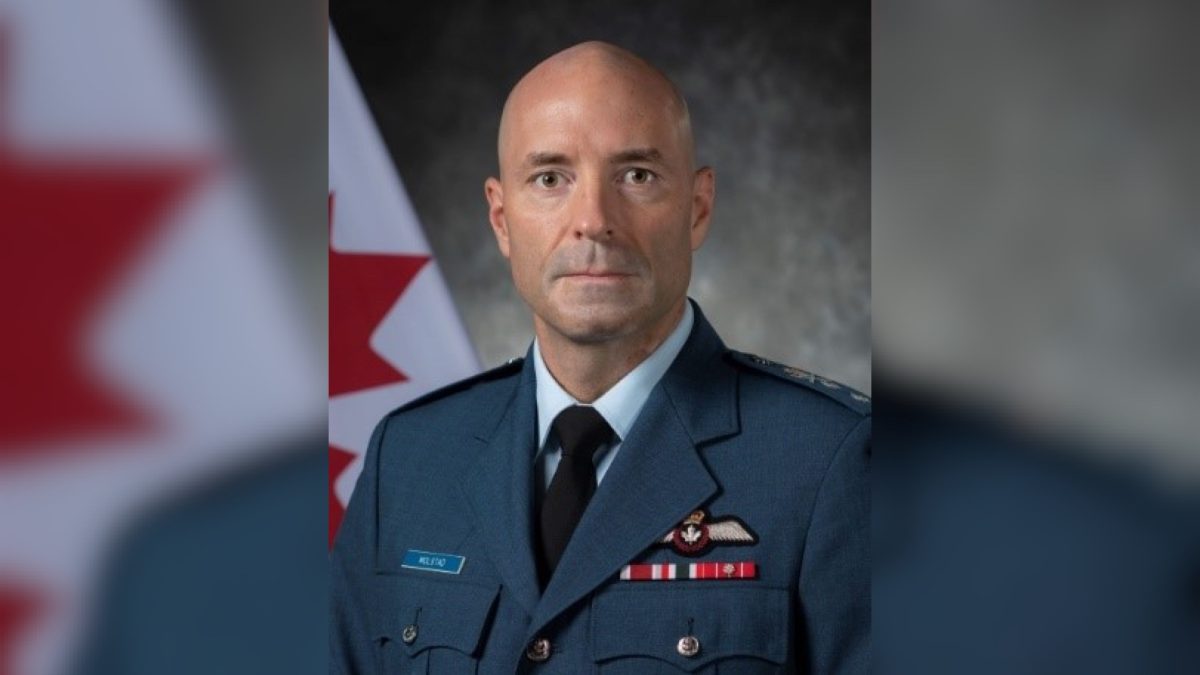

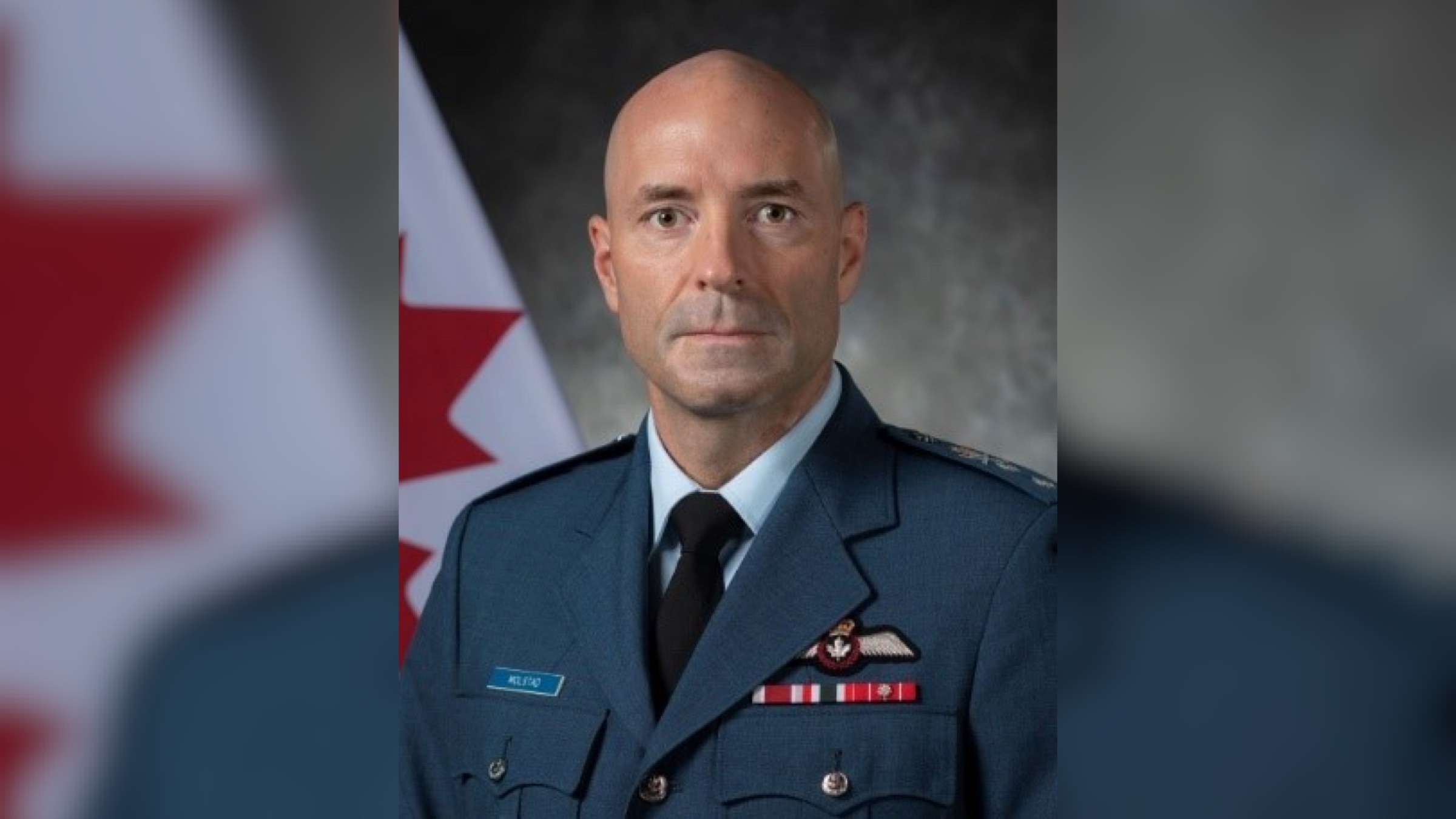
Canada’s military is stepping boldly into a new era. With the creation of the Canadian Joint Forces Command (CJFC)—and the appointment of Lieutenant-General Darcy Molstad and Chief Warrant Officer Donovan Crawford as its inaugural leadership team—the Canadian Armed Forces (CAF) has carved out a dedicated home for the capabilities that tie all branches together.
For decades, Canada’s military services have excelled within their distinct domains: the Royal Canadian Navy at sea, the Canadian Army on land, and the Royal Canadian Air Force in the air. But modern threats do not respect boundaries. They span cyber networks, orbital space, global supply chains, health systems, information ecosystems, and more. With CJFC, Canada is building a command built for this complexity—one designed to lead, coordinate, and integrate joint capabilities across every domain of operations.
A Command Built for Tomorrow’s Threats
CJFC represents a fundamental rethinking of how Canada generates and sustains the capabilities required for joint operations. It is not a static headquarters; it is purposely adaptive, iterative, and future-focused.
Its evolving structure reflects the speed at which the global security environment is changing—leveraging new technologies, refining operational concepts, and ensuring the CAF remains effective and relevant amid rising geopolitical instability.
CJFC’s mission is clear: to enable decisive, well-coordinated military action in an increasingly complex world by bringing people, systems, and processes together under a unified command dedicated to joint capability development.
Integrating the Capabilities That Make Joint Operations Possible
While military power is often associated with ships, aircraft, or armoured vehicles, the real backbone of operations is the network of joint capabilities that bind them together. CJFC consolidates responsibility for many of these cross-cutting functions, including:
- Logistics – ensuring forces can move, supply, and sustain operations anywhere.
- Health Services – maintaining force health, resilience, and readiness.
- Operational Sustainment – supporting forces throughout the lifecycle of an operation.
- Joint Doctrine – shaping how Canada fights in joint, multi-domain contexts.
- Joint Force Development – generating future capabilities and operational concepts.
By integrating these functions, CJFC strengthens operational readiness, efficiency, and strategic flexibility—all vital in an era of rapid technological change.
Why Canada Needed a Joint Forces Command
A series of internal studies made it clear: the CAF’s joint capability framework was overdue for modernization. Gaps existed in how critical functions were being generated, developed, and sustained. Responsibilities were split across organizations without a central authority to align them.
CJFC was created to close those gaps by:
- Centralizing leadership and accountability
- Improving coherence and accelerating innovation
- Strengthening multi-domain and allied interoperability
In a world where threats evolve faster than institutions, CJFC is an essential engine of modernization.
A Unified Structure for a Unified Force
To fulfill its mandate, CJFC brings together several key organizations under a single umbrella, including:
- Chief of Combat Systems Integration
- Canadian Joint Warfare Centre
- Director General Health Services & Canadian Forces Health Services Group
- Chief of Joint Logistics
- Joint Information and Intelligence Fusion Centre
These entities form the core of CJFC’s integrated ecosystem.
Other joint capabilities remain with their current Level One organizations but now share accountability with CJFC. These include:
- Integrated Air and Missile Defence (RCAF)
- Joint Engineering (ADM Infrastructure & Environment)
- Joint Communications & Information Systems (Digital Services Group)
Together, they create a more interconnected, coordinated, and responsive capability enterprise.
A New Era for the Canadian Forces Military Police
One of the most notable structural developments involves the Canadian Forces Military Police Group. Under current legislation, the Canadian Forces Provost Marshal (CFPM) operates under the general supervision of the Vice Chief of the Defence Staff.
Should Bill C-11 receive Royal Assent, this would change significantly:
- The CFPM would become the Provost Marshal General, a Governor-in-Council appointment.
- Responsibility and accountability would shift directly to the Minister of National Defence.
- CJFC would provide support to Military Police—while policing functions remain operationally independent.
It is a shift designed to reinforce independence, transparency, and modern oversight—aligning the CAF with best practices among allied forces.
A Force Better Prepared for What Comes Next
CJFC is more than a new command—it’s a strategic pivot toward a more integrated, accountable, and future-ready military. By unifying joint capabilities and strengthening cross-domain integration, the CAF is positioning itself to meet the challenges of tomorrow with clarity, coherence, and confidence.
In a world defined by complexity, CJFC gives Canada the organizational advantage it needs to protect its people, support its allies, and navigate the uncertainties ahead.
