

In a country defined by vast wilderness, remote communities, and increasingly unpredictable weather patterns, the stakes for search and rescue (SAR) have never been higher. From rugged mountain ranges to expansive northern territories, Canada’s geography has always tested the limits of emergency response. Now, with climate-related emergencies on the rise, the need for faster, smarter, and more coordinated SAR capabilities is becoming urgent.
Against this backdrop, the Government of Canada is taking a decisive step forward.
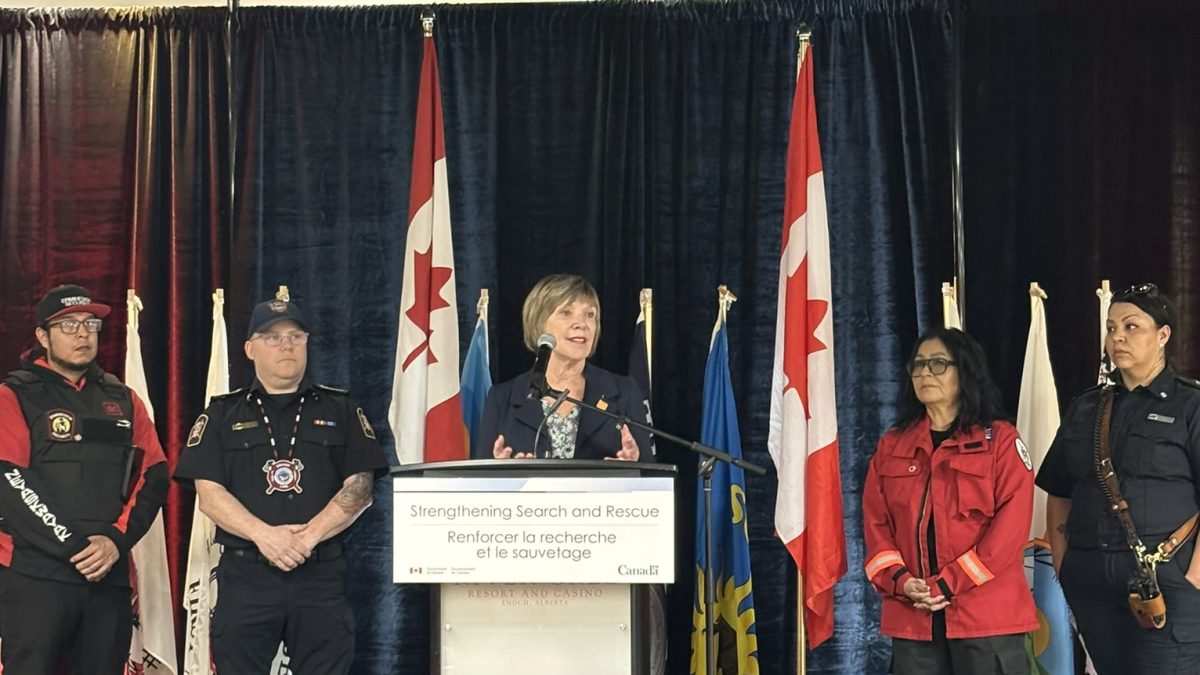
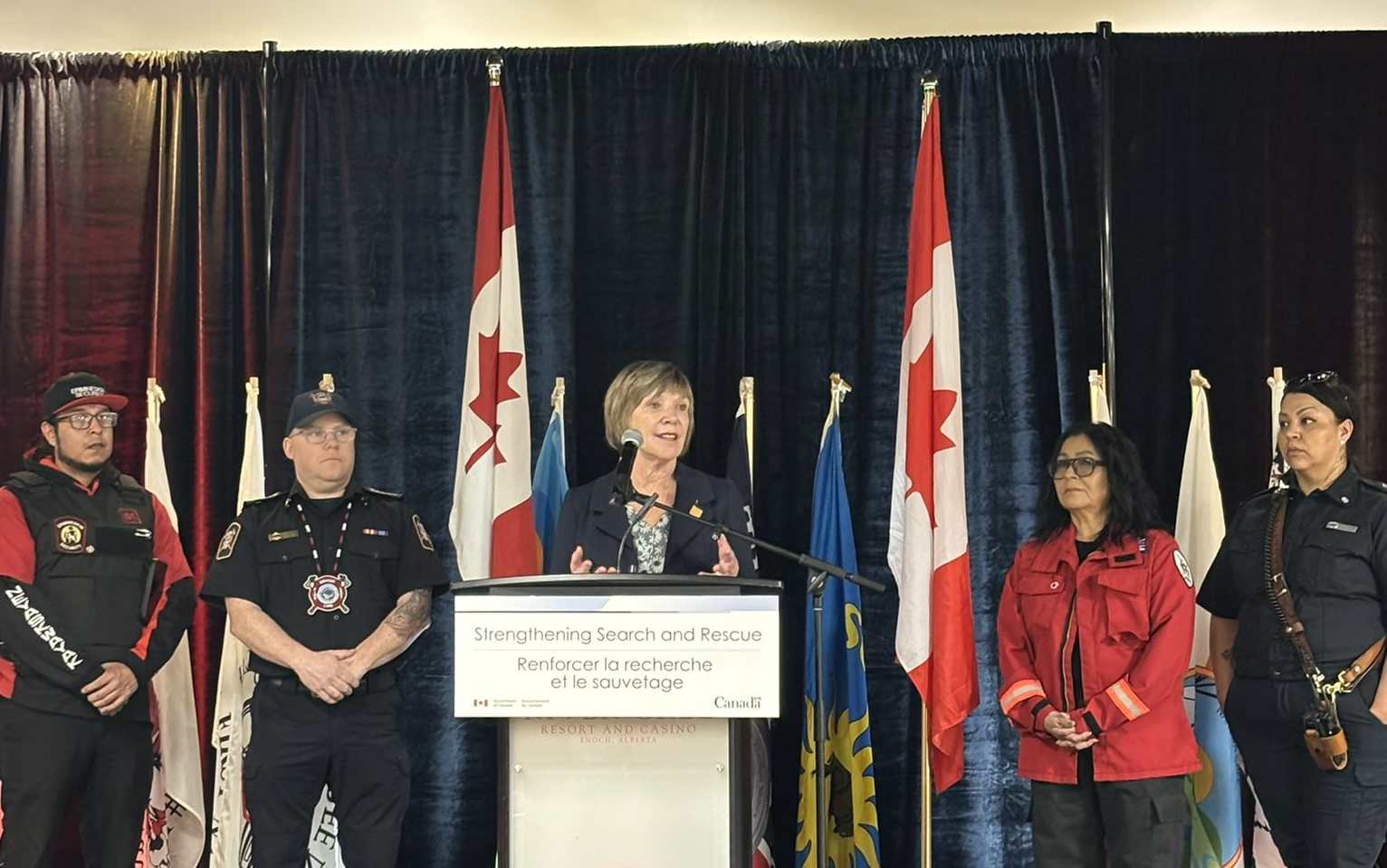
On March 18 in Edmonton, Alberta, the Honourable Eleanor Olszewski, Minister of Emergency Management and Community Resilience and Minister responsible for Prairies Economic Development Canada, announced both a new call for proposals under the Search and Rescue New Initiatives Fund (SAR NIF) and targeted investments aimed at strengthening the country’s SAR ecosystem.
At the heart of the announcement is a renewed push to modernize how Canada prevents, prepares for, and responds to emergencies—ensuring that help can reach those in distress, no matter how remote their location.
A National System Under Pressure
Search and rescue in Canada has always been a complex, multi-jurisdictional effort. Federal, provincial, and territorial governments work alongside specialized organizations, local communities, and thousands of volunteers to deliver life-saving services across some of the most challenging terrain in the world.
But the operating environment is shifting.
Climate-related events—from floods and wildfires to extreme weather—are increasing both in frequency and intensity. These changes are placing additional demands on SAR teams, requiring new tools, improved coordination, and expanded local capacity.
The Government’s latest investments recognize that reality: strengthening SAR is no longer just about response—it’s about resilience.
Investing in Innovation and Capacity
The Search and Rescue New Initiatives Fund (SAR NIF) is a central pillar of that effort. Designed to improve the effectiveness, efficiency, economy, and innovation of SAR activities across Canada, the program provides up to $6.5 million annually to support both new and ongoing projects.
This year’s announcement reinforces that commitment, while also accelerating near-term impact.
A one-time investment of $2.86 million will support seven SAR projects across the country. These initiatives span a wide spectrum of needs, including:
- Enhancing SAR training and leadership development
- Strengthening governance frameworks
- Supporting volunteer recruitment and retention
- Expanding community-level response capacity
- Advancing tools and technologies that improve coordination and prevention
Together, these projects aim to address both immediate operational gaps and longer-term systemic challenges—ensuring SAR teams are better equipped, better connected, and better prepared.
The Power of Partnership
Central to Canada’s SAR model is collaboration. Unlike many centralized systems, Canada relies heavily on a distributed network of partners—particularly its volunteer base, which plays a critical role in ground search and rescue operations.
That collaborative foundation remains a key focus of the government’s approach.
“Search and rescue in a country as vast and challenging as Canada depends on strong partnerships — between governments, communities, and the nearly 15,000 dedicated volunteers who step up to help others in times of need. As emergencies become more frequent and complex, Canada’s new government is focused on strengthening the systems that keep people safe. Through the Search and Rescue New Initiatives Fund, we are supporting innovative projects that improve coordination, build local capacity, and ensure responders have the tools they need to reach people in distress wherever they are,” said the Honourable Eleanor Olszewski, Minister of Emergency Management and Community Resilience and Minister responsible for Prairies Economic Development Canada.
Building a More Resilient Future
The latest SAR NIF call for proposals signals that this is not a one-time effort—it is part of a sustained, long-term strategy to strengthen Canada’s emergency response capabilities.
By investing in innovation, supporting local responders, and reinforcing partnerships across jurisdictions, the Government of Canada is working to reduce the risk of injury and loss of life while improving response times and outcomes.
As Canada faces a future shaped by both environmental change and growing operational complexity, search and rescue is emerging as a critical pillar of national resilience.
And in that mission, preparedness, coordination, and community will remain the country’s strongest assets.
