
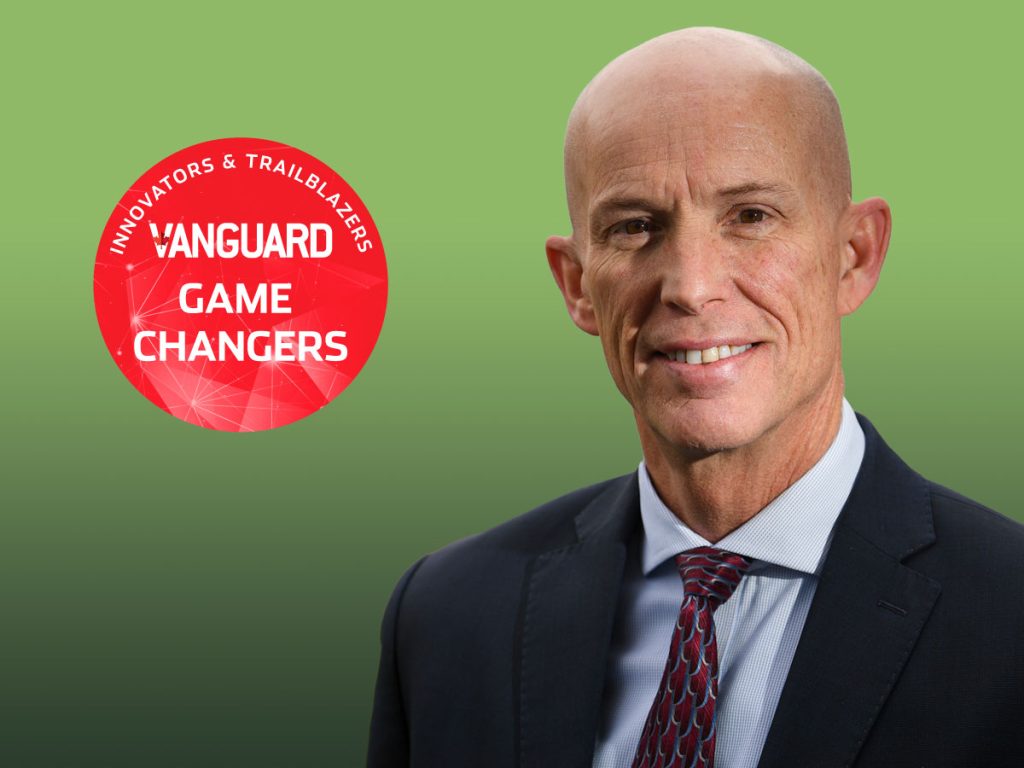

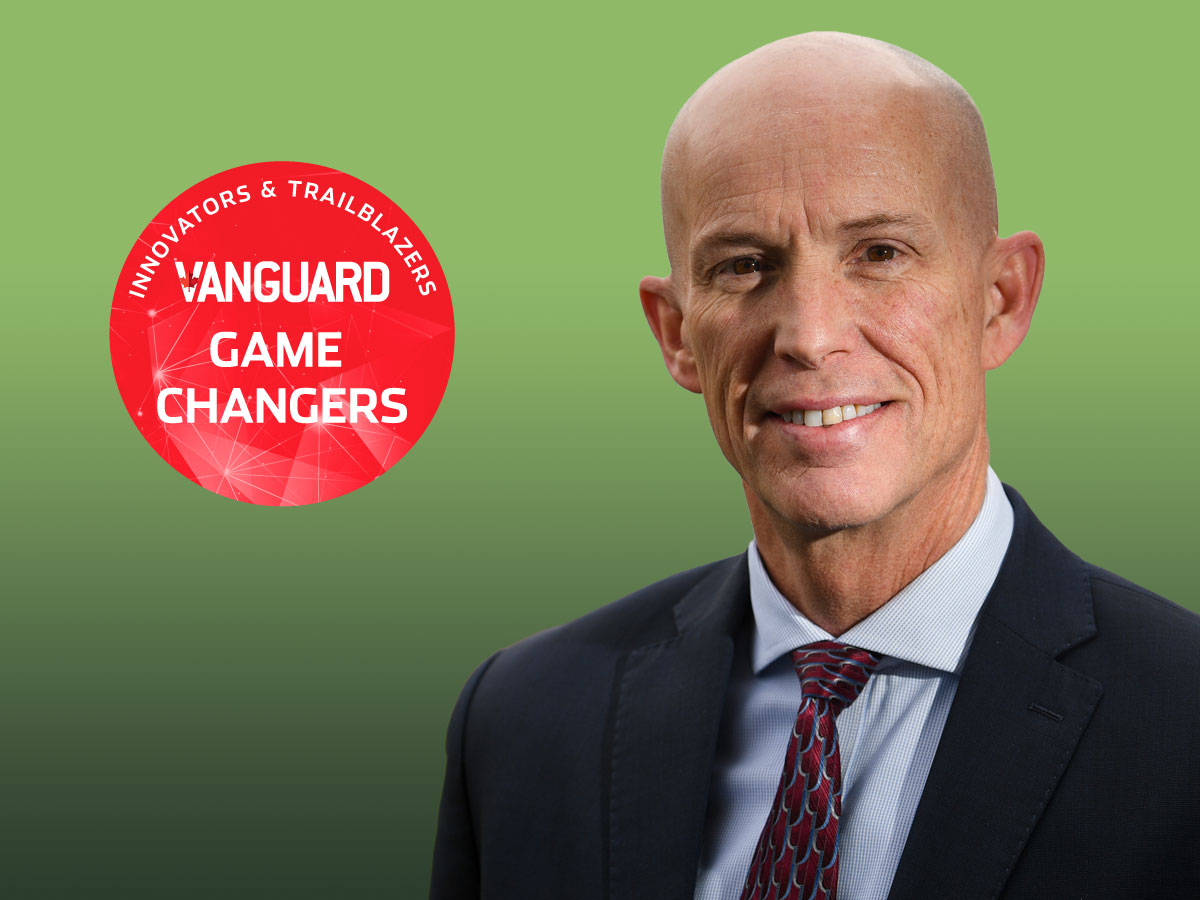
Scott Greenough makes a conscious effort to focus on what is within his circle of influence. After 26 years in the RCAF and another 11 at CAE, that discipline has shaped how he leads one of the most ambitious programs in Canadian military training.
At CAE’s Moose Jaw site, Greenough is managing the transition from the NATO Flying Training in Canada (NFTC) program to the Future Aircrew Training (FAcT) program, where SkyAlyne, a joint venture of CAE and KF Aerospace, is the prime contractor. Unlike NFTC, which made significant use of existing on-base infrastructure, FAcT is, in Greenough’s words, a true, from-the-ground-up new build.
We spoke with Greenough about the leadership lessons that shaped his approach, the barriers that slow complex programs down, and what it actually takes to build a world-class military flight training operation from an empty field.
Q: How did you start out in this industry and how has it brought you to where you are today?
My journey with CAE and the NATO Flying Training in Canada (NFTC) program in Moose Jaw began after I completed a rewarding 26-year career in the Royal Canadian Air Force (RCAF). I spent those years flying the CF-18 out of places like Cold Lake, AB and Bagotville, QC, which included operational and instructional tours, as well as an instructional tour on the CT-156 Harvard in Moose Jaw. That experience provided me with a deep understanding and relatable experience, which made the transition into my second career with CAE feel like a natural fit.
Q: What is your role at CAE today?
As CAE’s Director of Moose Jaw Operations, I am responsible for the safe and effective delivery of various aspects of the overall flying training operation, overseeing multiple aspects of day-to-day execution, including responsibilities supporting the new Future Aircrew Training (FAcT) program.
For the NFTC program, CAE provides the RCAF with a Ground-Based Training System (academic and simulator instruction), a fleet of CT-156 Harvard II aircraft, and a wide range of site services and facilities management.
Our site in Moose Jaw also plays a pivotal role in the FAcT program, where SkyAlyne, a joint venture of CAE and KF Aerospace, is the prime contractor. As training activities transition from the current NFTC program to FAcT, CAE will continue to lead operations in Moose Jaw, including for two new aircraft fleets, the CT-102 Astra II and the CT-157 Siskin II, which will be supported by a new, modern ground-based training system, new IT systems, new courseware, and lesson plans, and is part of a complete renewal of the RCAF ab-initio training ecosystem.
And, unlike the NFTC program, which made significant use of existing on-base infrastructure, the FAcT program will ultimately be delivered as a true, from-the-ground-up new build.
Q: What was your most challenging moment?
Like many veterans, the decision to transition from military service to a civilian role in the defence sector was a significant one. As I made that shift, I reflected carefully on how my experience, skills, and leadership would translate beyond the military. My transition to CAE and the NFTC program has been extremely positive, reaffirming the value of that experience. As a former General Officer once said to me as I was leaving the RCAF, my work in Moose Jaw as a civilian defence contractor allows me to continue serving in a different way.
Q: What was your A-HA moment?
We are all working towards the same goal. Within our respective companies and organizations, we may have specific internal objectives, but equipping, training and preparing military and defence organizations for their various global missions requires a focussed, dedicated and collaborative approach. I am very fortunate to work every day with talented and committed people, both civilian and military, who simply want to get the job done and make things better.
Q: What has you most fired up today?
I’m really excited about the new FAcT program. Some of the new aircraft have already arrived in Moose Jaw, and we’re part of a great team that is getting them ready for flight operations. Plans for the new infrastructure are being finalized, and we are already manufacturing some of the new simulation devices. It’s rare in this industry to have the opportunity to take an empty field and turn it into a brand-new, state-of-the-art, world-class military flight training operation. I’m truly happy to be part of it.
Q: What is the best advice you received?
I focus my efforts on what is within my circle of influence or control. I make a conscious effort not to get too caught up in things I can’t change. Large programs like NFTC and FAcT involve many people and a lot of moving parts. I try to stay focused on what the local team and I can realistically accomplish, and trust others to do their part.
Q: What habit contributes most to your success?
Simple. Show up on time. Be prepared. Always strive to do better than the last time.
Q: How is CAE redefining training?
For more than 75 years, CAE has been supporting defence forces through high-quality training, starting in WWII and continuing today. We’re proud to be a trusted training partner to many defence forces around the world, helping them prepare for increasingly complex missions. By continually evolving how training is delivered, we help our customers stay ready, effective, and adaptable for what comes next.
Q: How has innovation become engrained in your organization’s culture and how is it being optimized?
At CAE, innovation is simply part of how we do our work. It’s built into our culture and shaped by a long history of supporting our customers and adapting training to keep pace with changing missions. We’re always looking for ways to enhance training, using modern tools and digital approaches to make it more realistic, flexible, and effective. That helps ensure the defence forces we train are ready for today’s needs and prepared for whatever comes next.
Q: What technologies and trends will drive the biggest changes over the next two years?
A great deal of change will come from how AI and digital technology are being used, including better data, more realistic simulation, and faster ways to adjust as threats evolve. At the same time, multi-domain and joint training will play a bigger role, helping forces train the way they operate together in the air, on land, and at sea.
Q: What is your parting advice?
My experience has shown me that most people come to work wanting to do well and be successful. When things don’t go as planned, it’s rarely for lack of effort. Empathy and understanding go a long way when facing difficult challenges. Always ask questions because curiosity helps replace judgement.
