
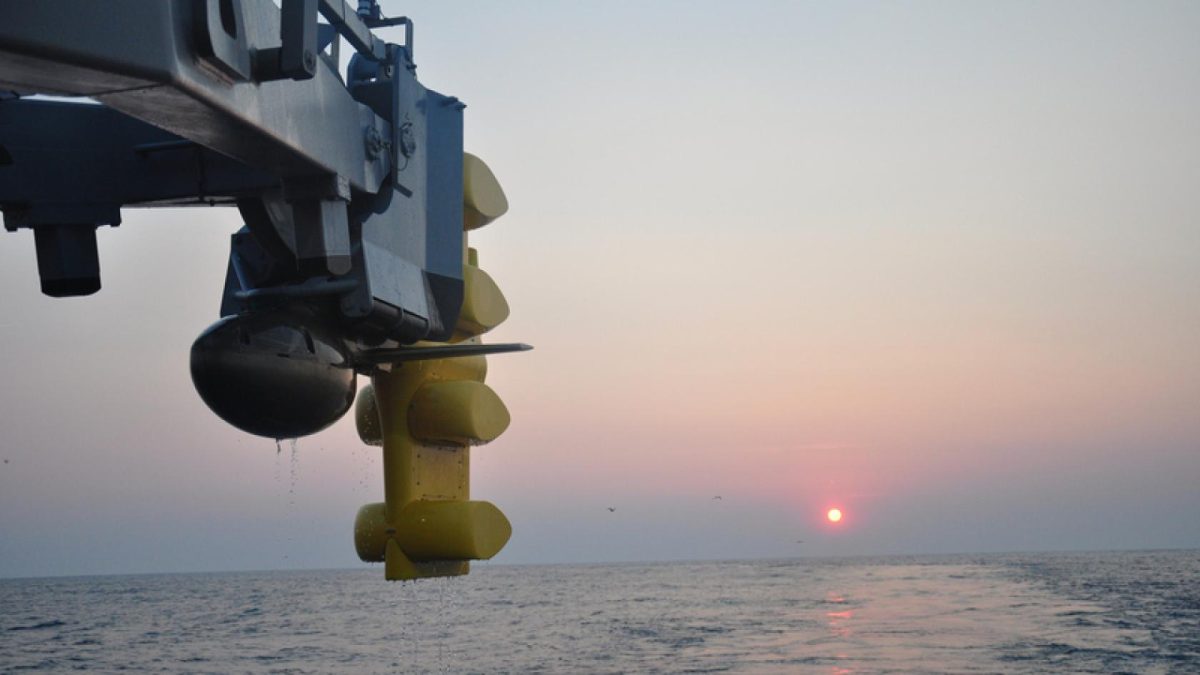

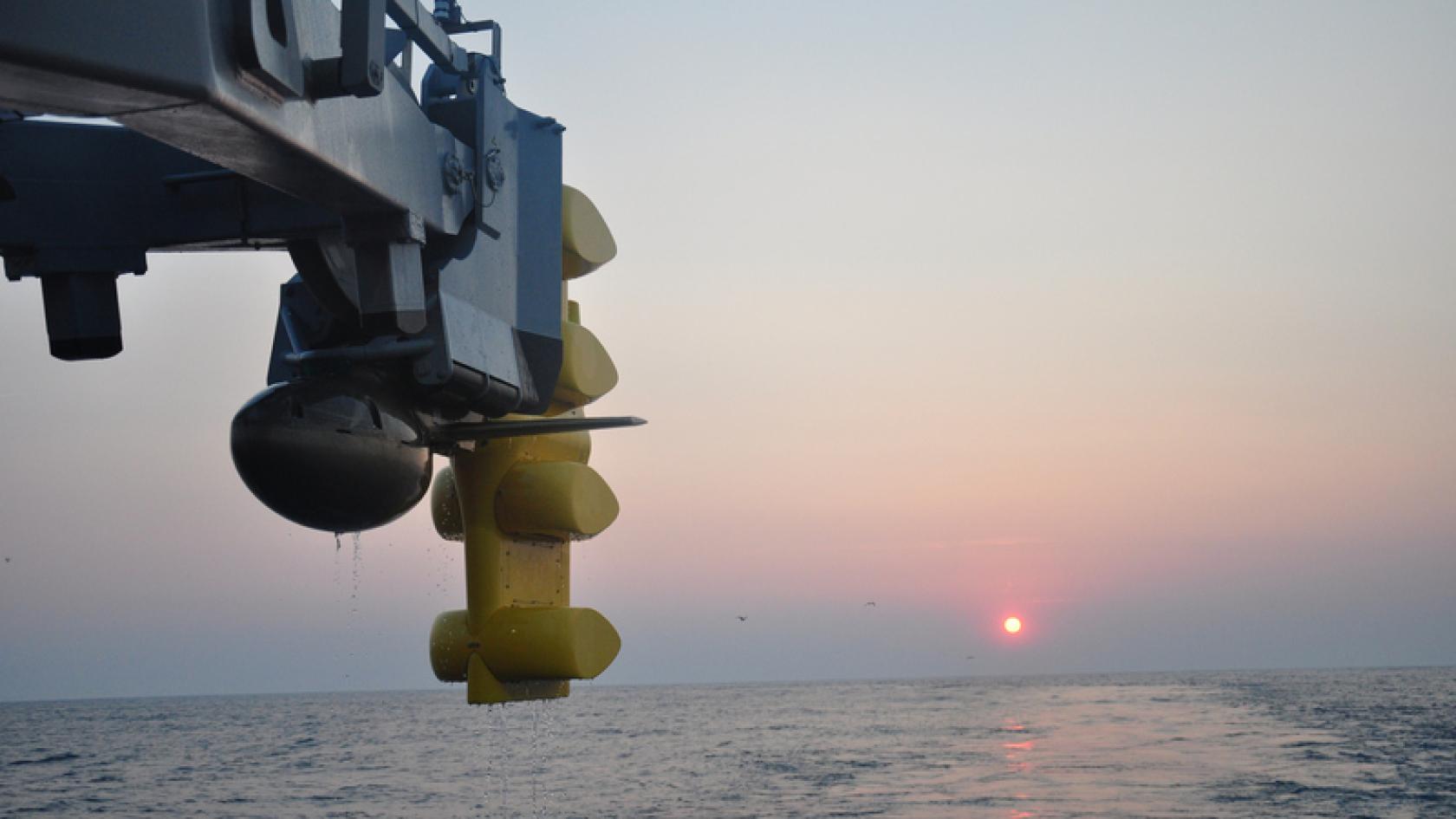
The Royal Canadian Navy’s future River-class destroyers will be equipped with a proven submarine-hunting system already in service with some of Canada’s closest allies. Thales Canada has been awarded a contract by Lockheed Martin Canada to supply the S2087 towed array sonar for the fleet, adding a critical layer of anti-submarine warfare capability to what will be the backbone of Canada’s surface combatant fleet.
Lockheed Martin Canada serves as the Combat Systems Integrator for the River-class program, leading a team of global partners to deliver an integrated, open-architecture combat solution tailored to the Canadian Armed Forces.
The system
The S2087 belongs to Thales’ CAPTAS family of low-frequency towed array sonars, originally developed in close partnership with the British, French, and Italian navies. It is designed to detect and track quiet submarines over long ranges in both littoral and open-ocean environments. With this contract, the Royal Canadian Navy becomes the 20th navy to select the CAPTAS system.
The selection aligns Canada with two close allies. The Royal Navy currently operates the S2087, and the Royal Australian Navy has selected it for its Hunter-class frigates. For a Navy operating within Five Eyes and NATO frameworks, shared sensor architecture has direct operational implications for interoperability and intelligence sharing.
Its integration into the River-class destroyers supports a program target of achieving 75% fleet serviceability by contributing to operational maturity and long-term supportability.
Industrial angle
The contract aligns with Canada’s Defence Industrial Strategy and the Build-Partner-Buy framework, which under the Partner stream prioritises cooperation with trusted allies, in this case the United Kingdom, while delivering industrial benefits in Canada. Thales has committed to working with Canadian small and medium-sized enterprises to support the sonar through its full lifecycle, keeping maintenance and upgrade work within Canada’s sovereign industrial base.
Thales Canada CEO Ian Krepps said the S2087 ensures Canada’s surface combatants are equipped to operate effectively in contested maritime environments, and described Thales as deeply committed to investing in local expertise and working alongside Canadian industry for decades to come.
Stephen Isaacs, General Manager for Lockheed Martin Canada Rotary and Mission Systems, said the River-class program delivers significant economic benefits to Canada across the Canadian supply chain, and called the sonar selection a prime example of how partners contribute to that ecosystem.
What this means for the program
The River-class destroyers will replace the Halifax-class frigates and Iroquois-class destroyers, forming the core of the RCN’s surface fleet from the early 2030s. The program covers 15 ships. The sonar selection is one of several major subsystem decisions being locked in as the program progresses through detailed design and into production.
No contract value was disclosed.
