
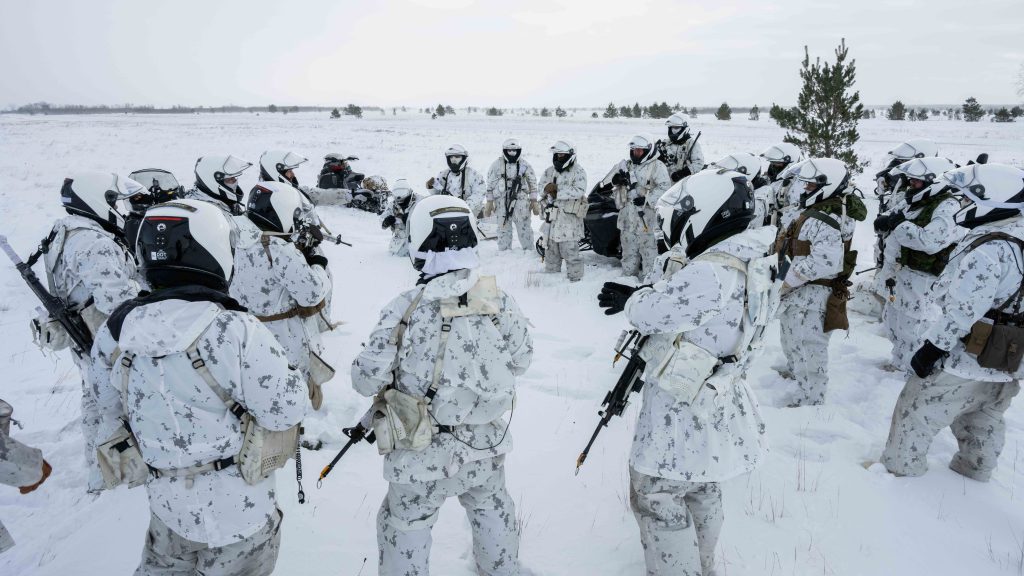
The Canadian Armed Forces has kicked off Operation NANOOK-QIMAAVIVUT, a military engineering activity running July through September 2026 as part of the broader Op NANOOK Arctic campaign.
Why it matters: Canada’s Arctic sovereignty claims are only as credible as the military’s ability to actually operate there. This mission is about building the connective tissue, mobility, sustainment, infrastructure, that turns Arctic presence into Arctic capability.
What’s happening: CAF engineers are fanning out across the North for a season of ground-truthing:
- Engineering reconnaissance and infrastructure assessments near Resolute Bay, Nunavut
- Airfield condition surveys across Arctic locations
- Site assessments along the Labrador coast
The data collected will feed directly into future operational planning, helping identify gaps in engineering, mobility, and sustainment needed for year-round northern operations.
The bigger picture: QIMAAVIVUT doesn’t operate in isolation. It’s running alongside other Op NANOOK activities and coordinating with NATO’s enhanced Vigilance Activity ARCTIC SENTRY, part of a wider allied push on Arctic awareness and readiness.
Lieutenant-General Steve Boivin, Commander of Canadian Joint Operations Command, framed the mission as foundational work. He said it strengthens the practical foundations that enable effective Arctic operations, ensuring the CAF can operate across Canada’s Arctic and North in all seasons.
Brigadier-General Marc Parent, Commander of Joint Task Force North, tied the mission to long-term readiness. He said QIMAAVIVUT is about enabling operations today and into the future, improving access, mobility, and sustainment while respecting local conditions and communities.
Bottom line: This is unglamorous but essential work. Roads, airfields, and logistics don’t make headlines like new jets or submarines, but they’re what determine whether Canada can actually show up in its own Arctic when it matters.